Sea Kayaking from Cerbère to Llançà – A Cross-Border Journey between France and Spain

Two stages to discover the Catalan coastline by sea kayak: from Cerbère to Portbou, then from Portbou to Llançà in Spain.
From Cerbère to Llançà: a sea kayaking trip between France and Spain
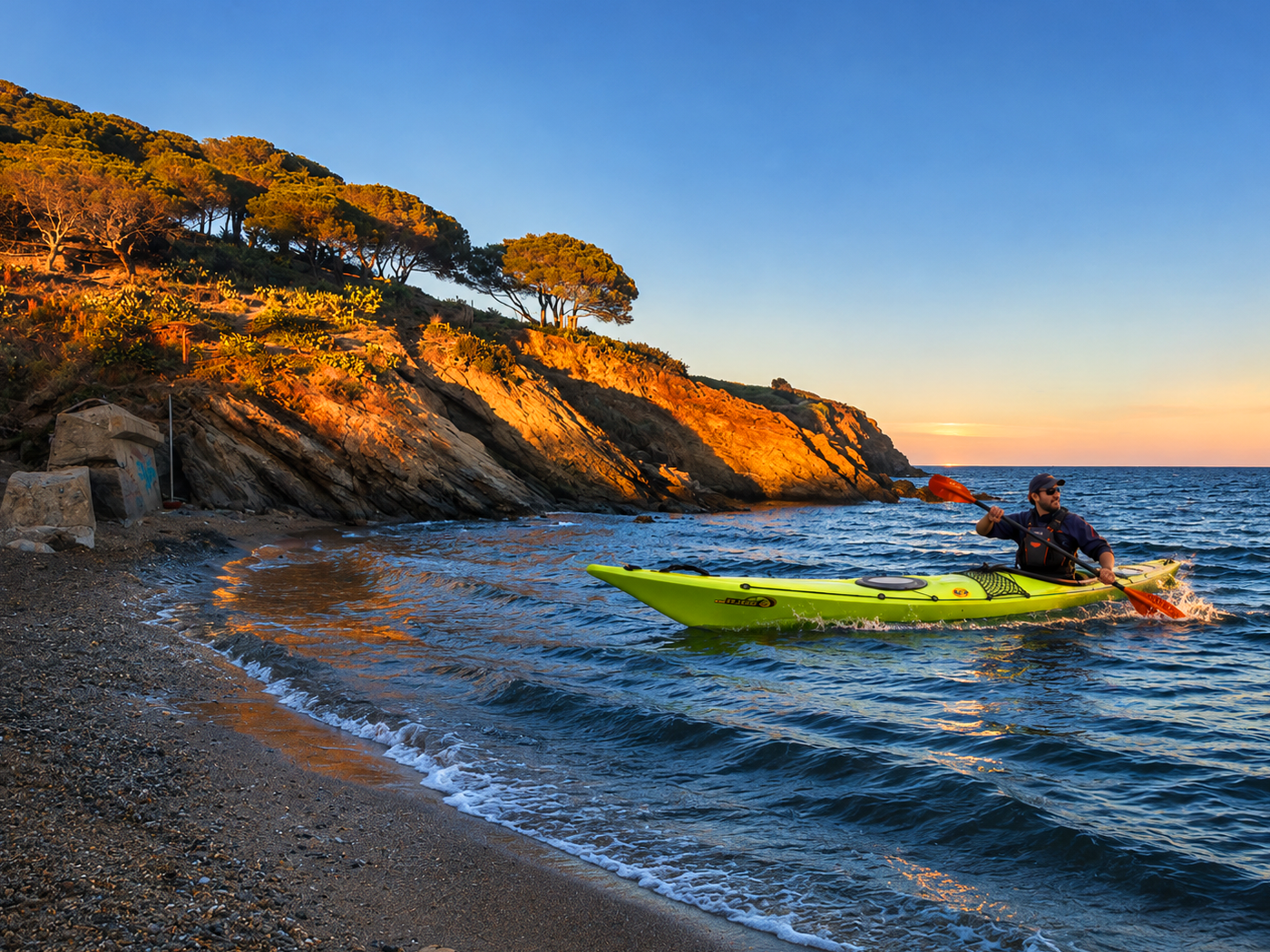
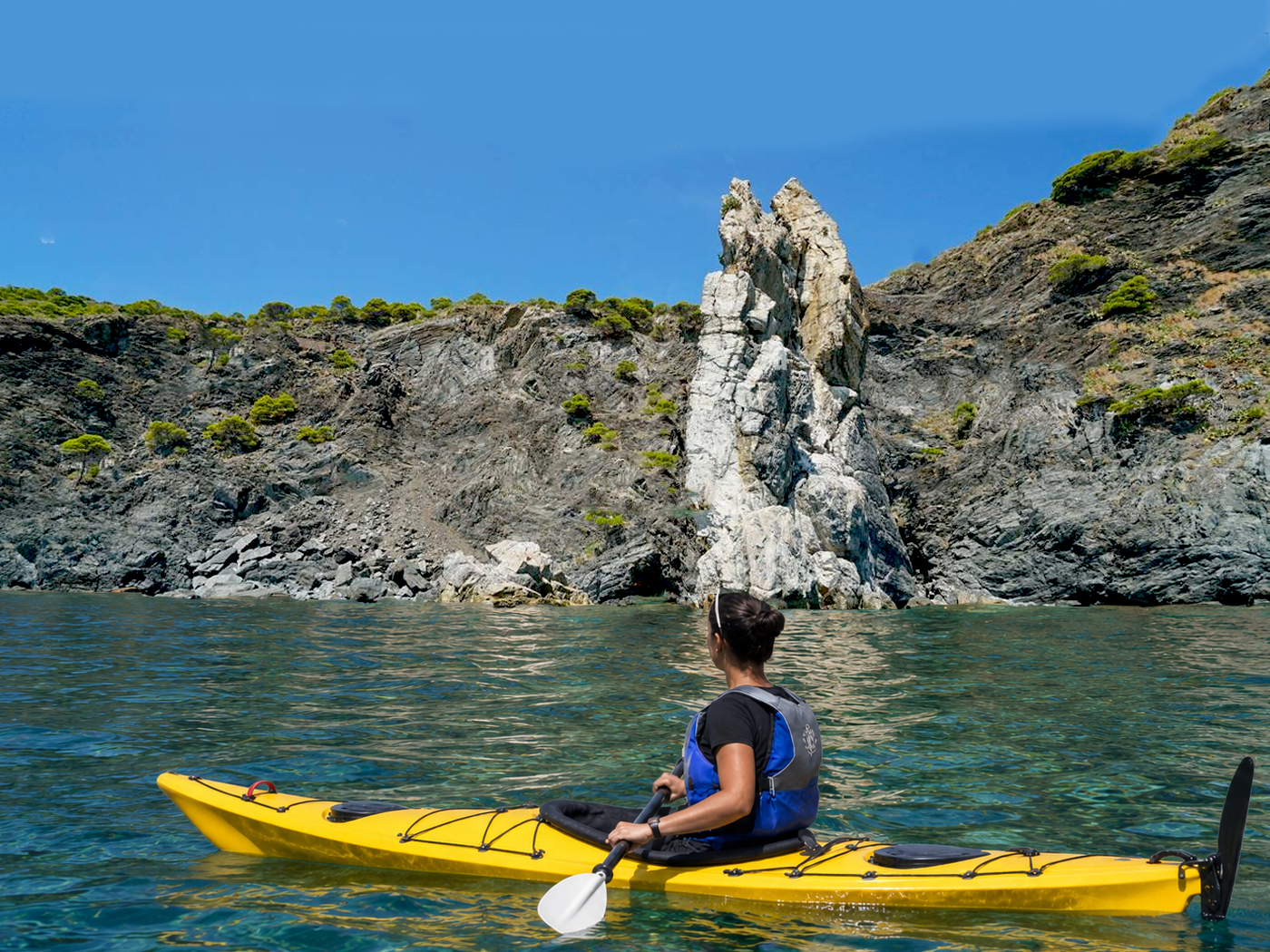
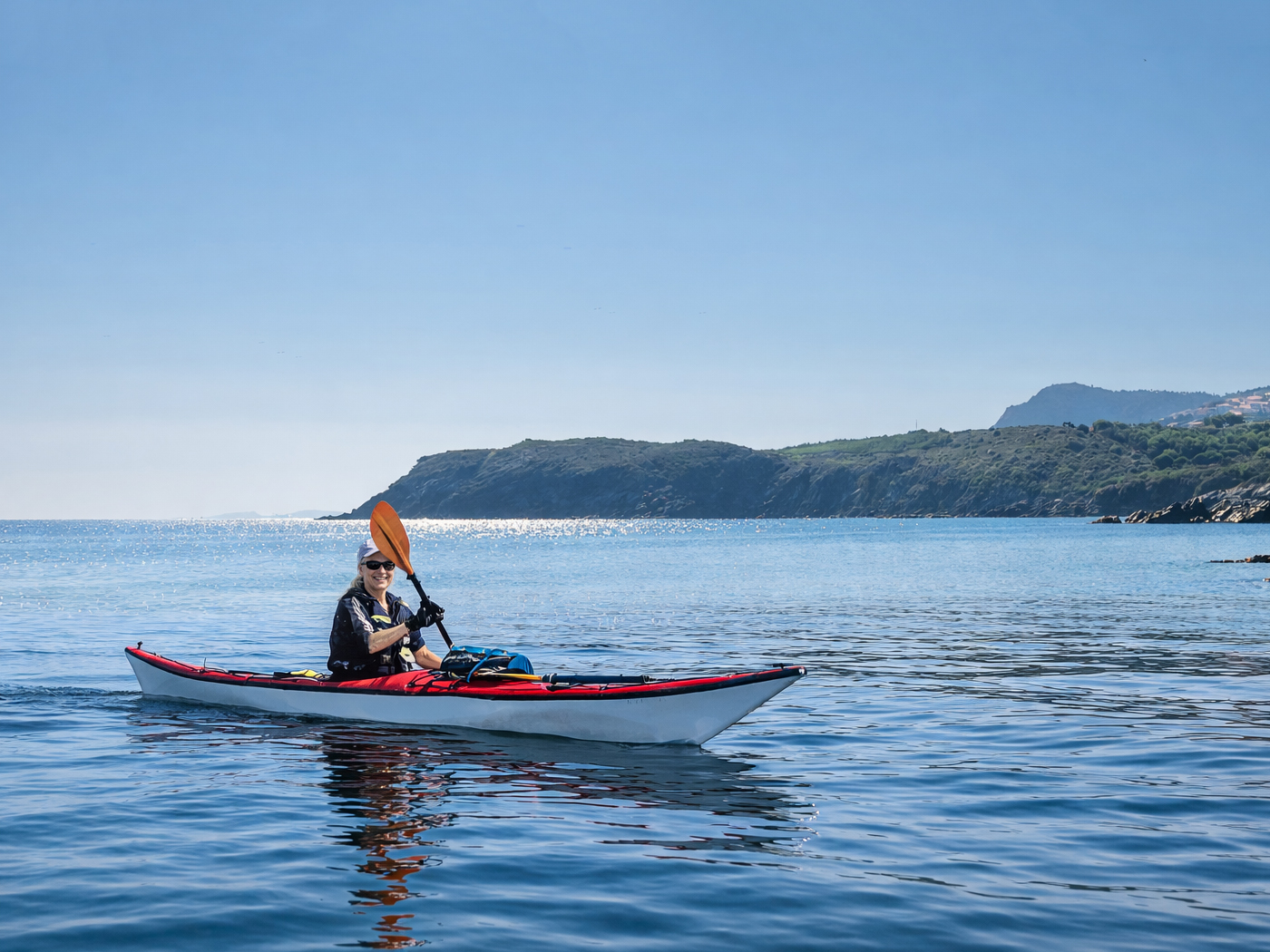
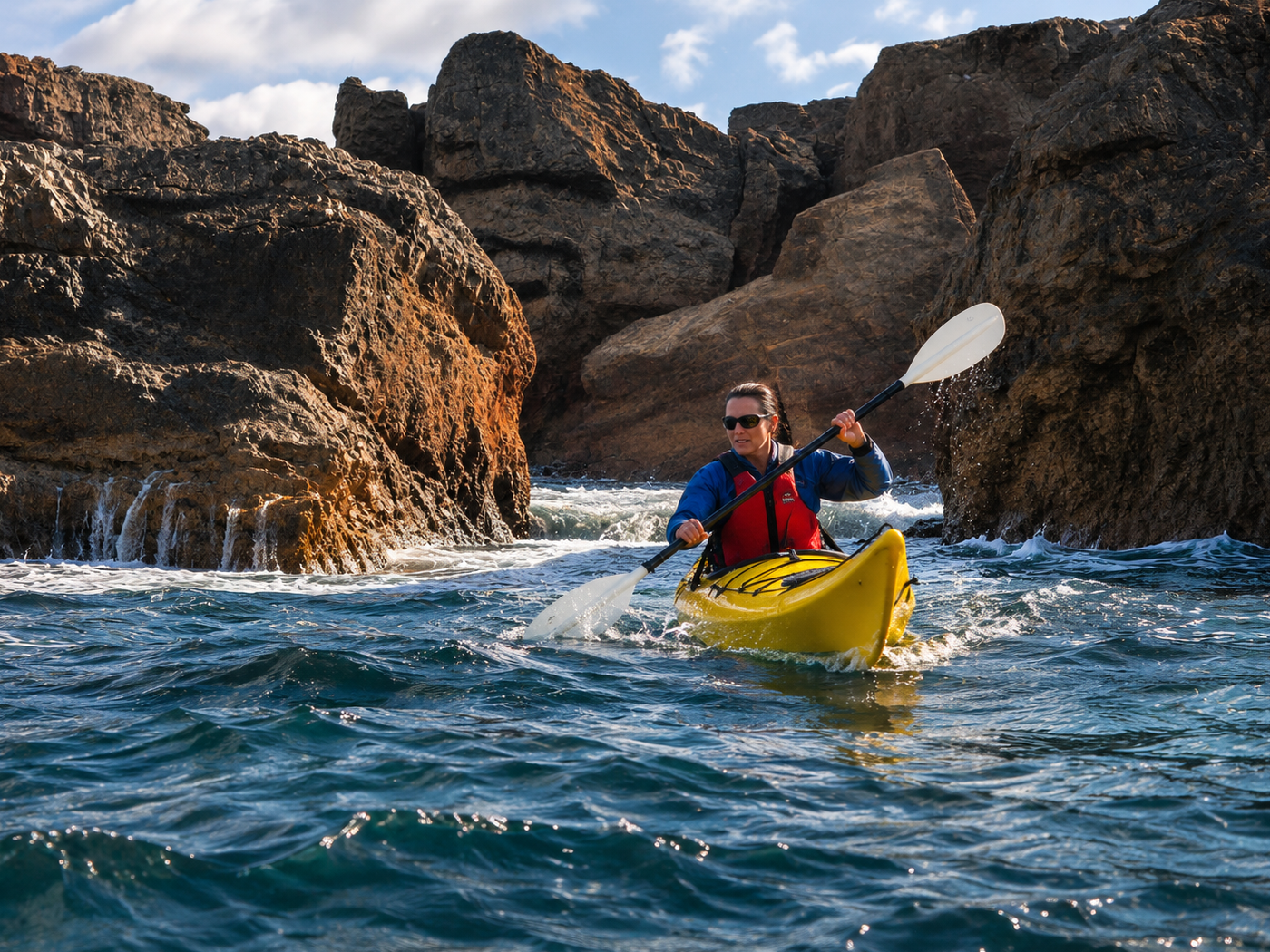
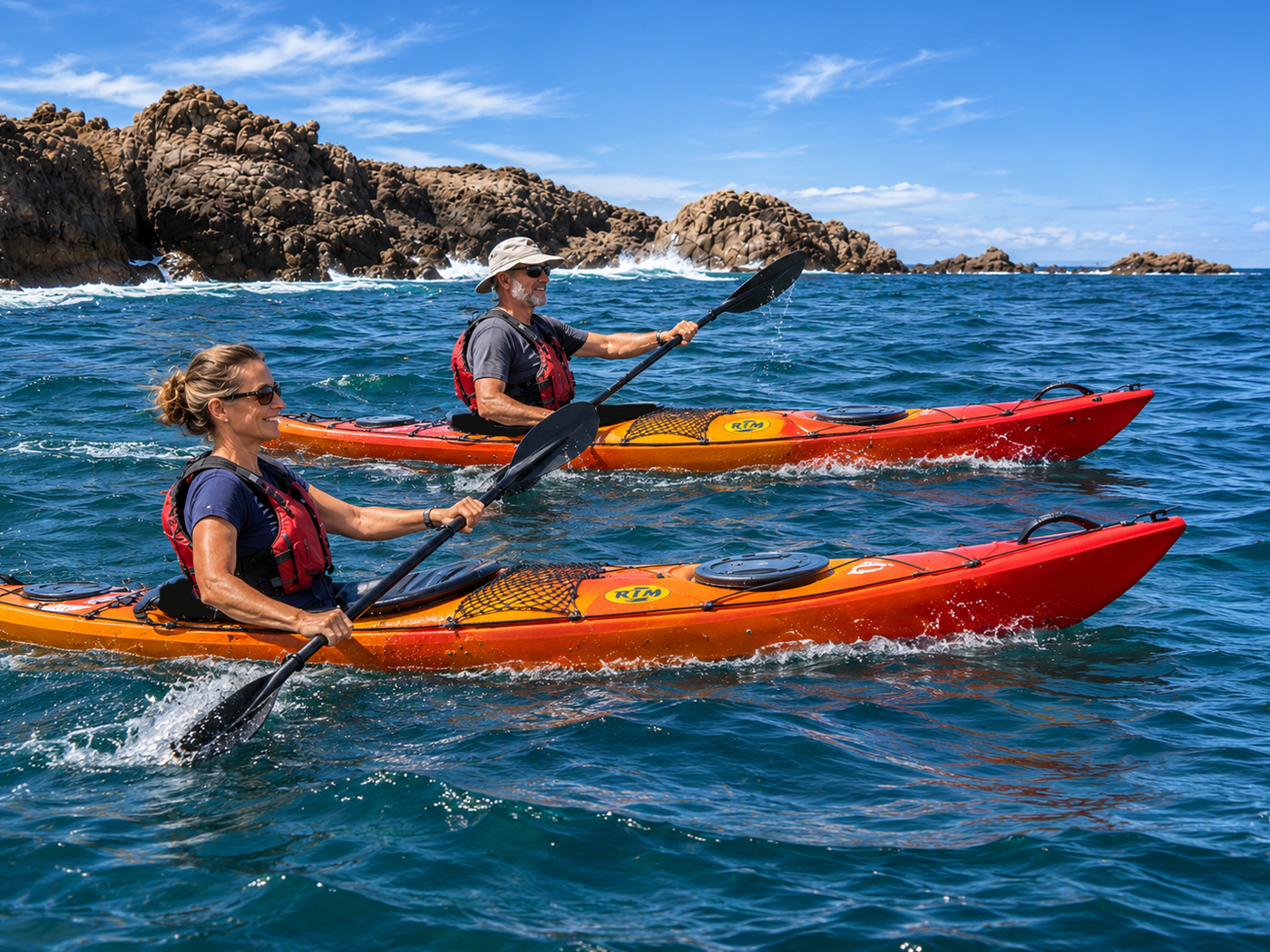
Set off from Cerbère on a guided sea kayaking trip that crosses the border and continues along the Costa Brava. The route is divided into two stages: from Cerbère to Portbou, the first Spanish village after the border, then from Portbou to Llançà. From the sea, discover a spectacular coastline where the Albères mountains plunge into the Mediterranean, with rocky headlands, coves and small Catalan harbours. Accompanied by a qualified instructor, you will paddle at your own pace and explore this cross-border coastline with respect for the marine environment.
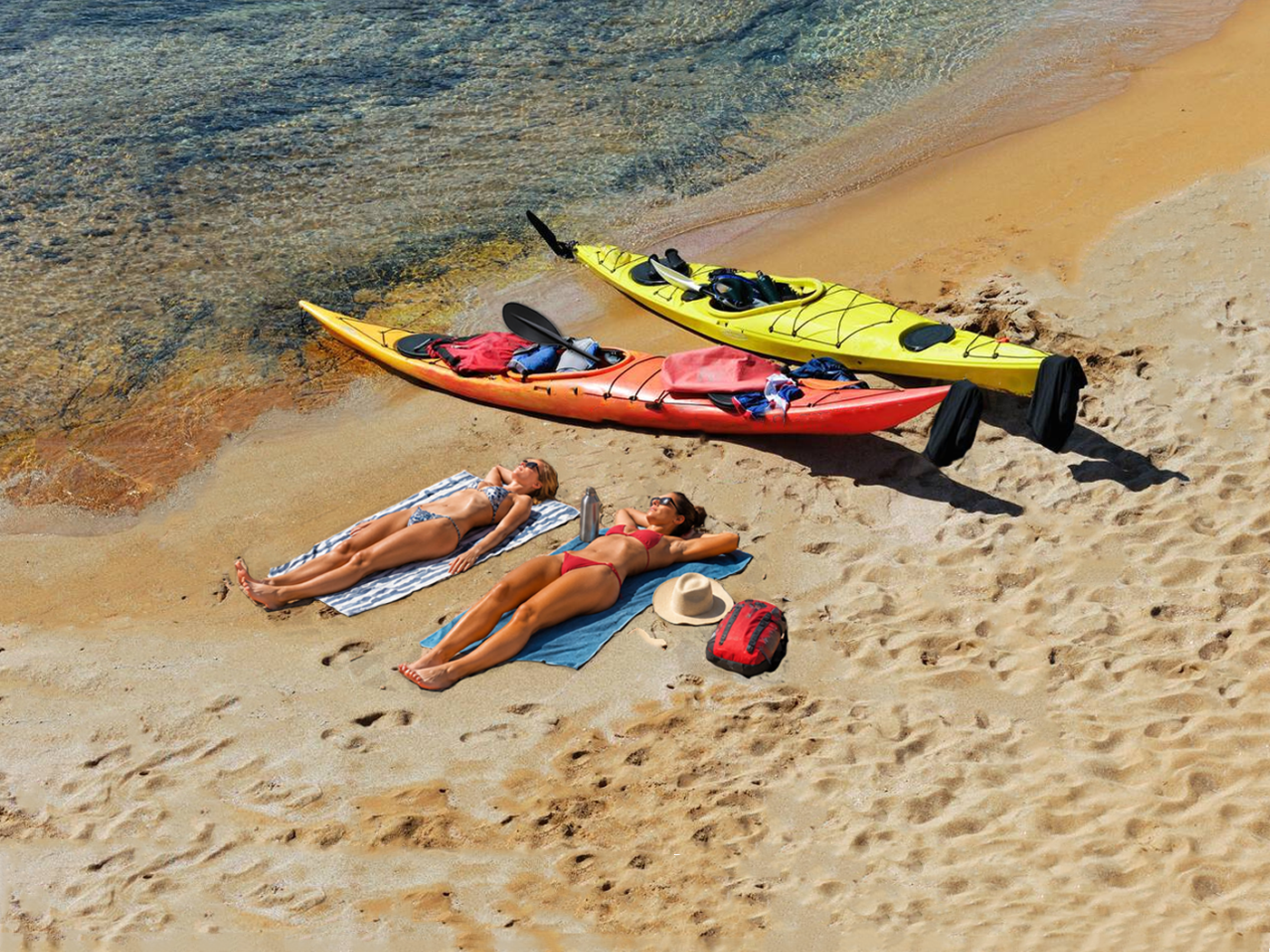
You can choose a single half-day section or combine both stages into a full-day trip, with a break in Portbou. Different participants can join each section, subject to availability, so it is possible to meet the group in Portbou for the second part of the journey.


Stage 1 – From Cerbère to Portbou: crossing the border by kayak
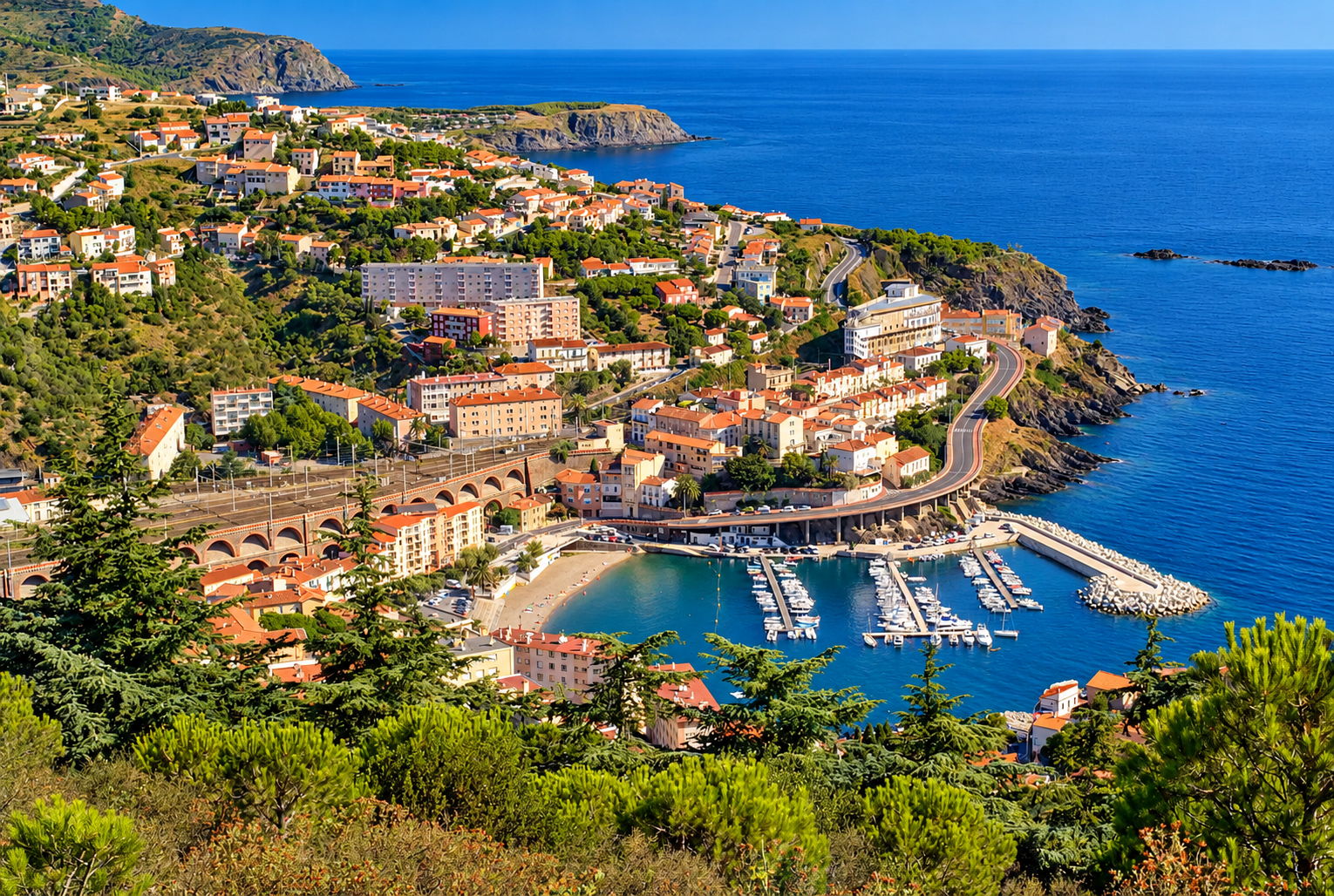
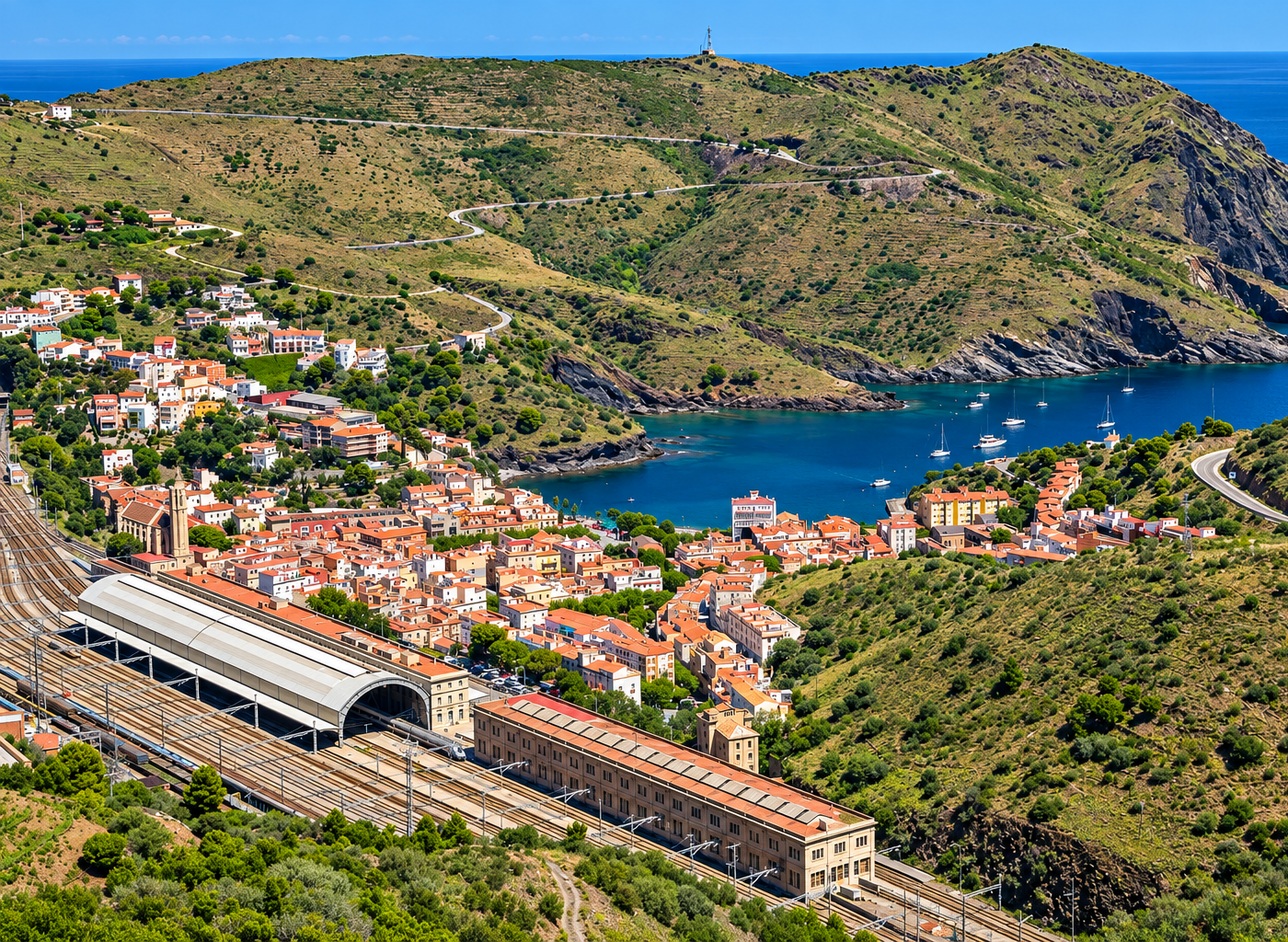
Leaving from Cerbère, the last French town on the Vermeille Coast, you head south towards Portbou. The coastline becomes rugged and rocky, with the Albères mountains in the background. This first stage takes you to Portbou, the first village in Spanish Catalonia after the border. It is an original way to travel from one country to another, following the water at the rhythm of your paddle.
Stage 2 – From Portbou to Llançà: heading for the Costa Brava
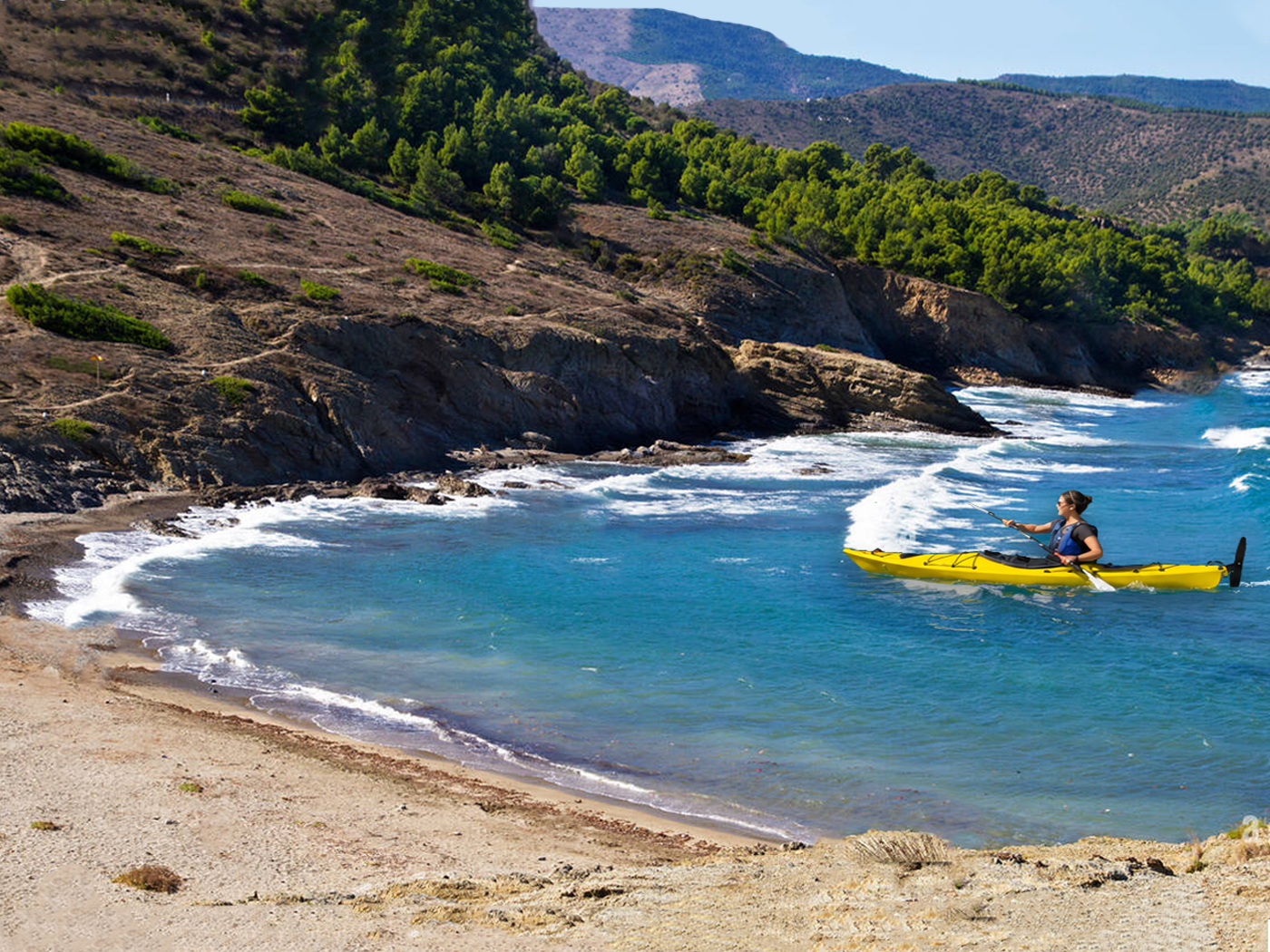
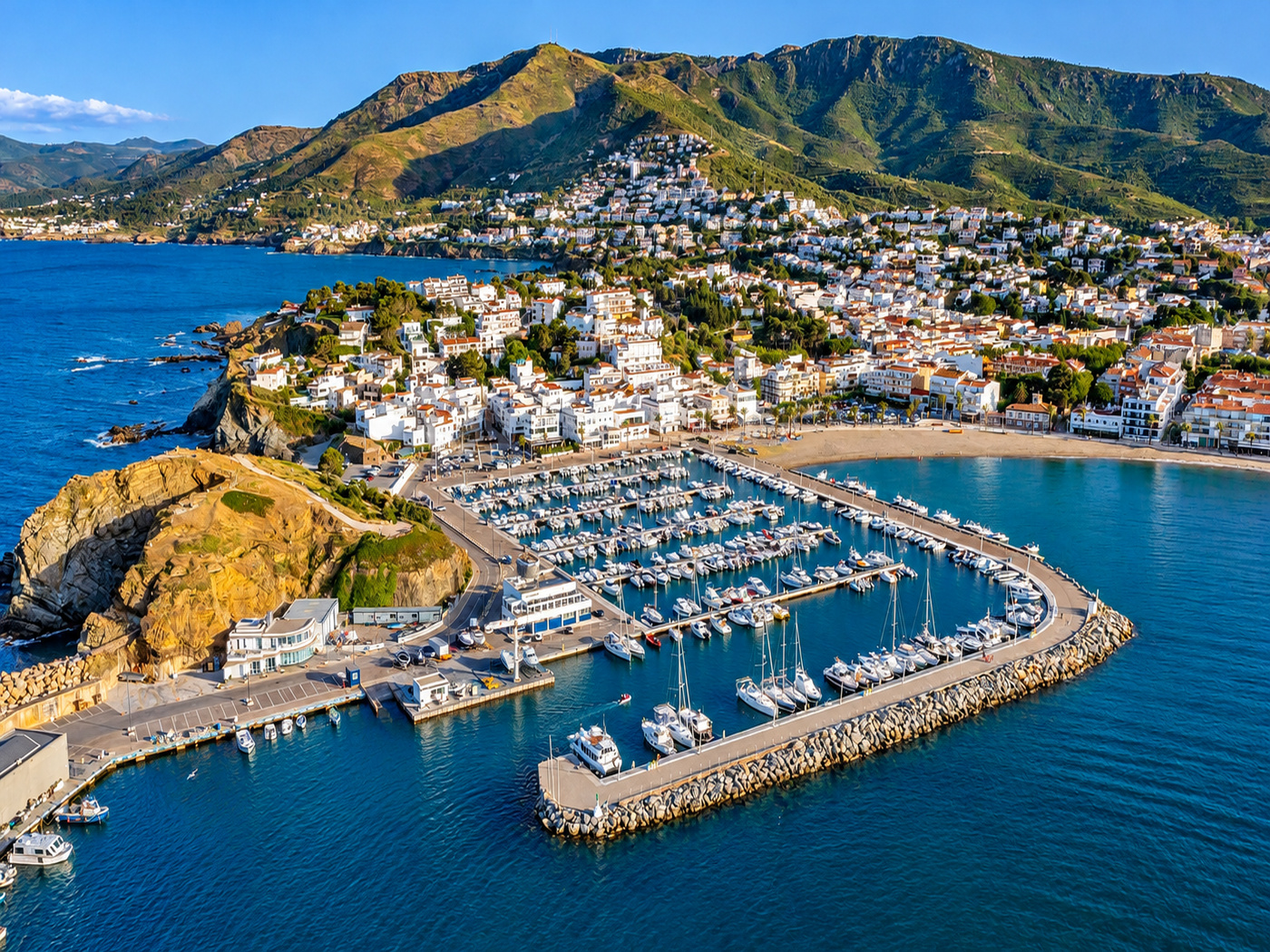
From Portbou, the journey continues south to Llançà. Discover another side of the Catalan coastline, with headlands, rocky coves and Mediterranean scenery unfolding as you paddle. This second stage extends your adventure in Spain and takes you into the heart of the Costa Brava.
Two stages, one flexible journey
- Stage 1 – Cerbère → Portbou: a half-day trip from France into Spain.
- Stage 2 – Portbou → Llançà: a half-day trip continuing along the Catalan coast.
- Full day – Cerbère → Llançà: both stages combined, with a break in Portbou.
Each half-day section can be booked separately, subject to availability and transfer arrangements. You can therefore take part in the first stage only, or join the group in Portbou for the second. Meeting points, departure times and return arrangements are confirmed before the trip.
A journey along the Catalan border
Between Cerbère and Portbou, you cross the French-Spanish border from the sea, surrounded by cliffs and mountains plunging into the Mediterranean. Continuing to Llançà, you discover the coastline of Spanish Catalonia. This kayaking trip links two neighbouring regions through a shared experience: exploring the coast from the sea, far from the pace of the road.
A coastline to protect, near the marine reserve
The Cerbère area lies close to the Cerbère-Banyuls Marine Nature Reserve, a protected area and emblem of the Vermeille Coast. Your instructor will introduce you to the richness of Mediterranean habitats and the simple actions that help protect them: observe without disturbing, take nothing away, leave no rubbish and follow navigation instructions and local regulations.
A guided sea kayaking trip
Your qualified instructor will guide you through preparation, paddling and manoeuvres. All necessary equipment is provided: sea kayak, paddle, buoyancy aid and dry bag. The route is adapted to the weather and sea conditions. Transfers between departure and arrival points are arranged according to the option chosen and confirmed before the trip.
Sea kayaking from Cerbère
Two stages to discover the Catalan coast, from France to Spain
Welcome and departure arrangements
- The meeting point is in Cerbère, at the departure location provided when you book.
- Access, parking and meeting-time details are sent before the trip.
- For the full-day option, bring a picnic for the break in Portbou, Spain.
- Return arrangements and transfers between departure and arrival points are confirmed before the trip.
From Cerbère in France to Portbou in Spanish Catalonia
- Route: Cerbère → Portbou.
- Option: half-day trip.
- Meet the group, introduction to the route and safety briefing.
- Prepare the equipment and get familiar with the kayaks.
- Launch in Cerbère and paddle south along the rocky coastline.
- Cross the maritime border between France and Spain.
- Arrive and land in Portbou, the first Spanish village after the border.
From Portbou to Llançà along the Spanish Catalan coast
- Route: Portbou → Llançà.
- Option: half-day trip.
- Introduction to the second part of the route and a reminder of navigation and safety instructions.
- Launch in Portbou and continue south along the Catalan coastline.
- Discover the headlands, coves and Mediterranean scenery of the Costa Brava.
- Arrive and land in Llançà.
Prices:
Guided sea kayaking trip. All necessary equipment is provided: kayak, paddle, buoyancy aid and dry bag. Transfer arrangements between departure and arrival points are confirmed when you book.
Stage 1 – Cerbère → Portbou (half-day): €36 / person
Stage 2 – Portbou → Llançà (half-day): €36 / person
Full day – Cerbère → Llançà, with a break in Portbou: €64 / person
Each half-day section can be booked separately: you can choose only the first stage or join the group in Portbou for the second. This arrangement allows different participants to join each section, subject to availability and transfer options. To complete both stages on the same day, choose the full-day option.
Select one of the departure dates highlighted in red:
Technical details
 or

From €36
✓ Online booking
✓ Instant confirmation
Bookings
The Cerbère-Banyuls Marine Nature Reserve: a natural heritage to protect
Starting from Cerbère, you paddle near the Cerbère-Banyuls Marine Nature Reserve, a protected area and emblem of the Vermeille Coast. Your instructor will introduce you to the richness of Mediterranean marine habitats and the simple actions that help protect them, before you continue towards the Spanish Catalan coast.
Sea kayaking and responsible tourism: discover the Mediterranean differently
Near Cerbère, the Cerbère-Banyuls Marine Nature Reserve protects remarkable Mediterranean natural heritage. Its seabed is home to fragile habitats, including Posidonia seagrass meadows and rocky formations that help maintain the balance of the ecosystem.
Sea kayaking lets you discover the coastline without an engine, close to the water. Your instructor will explain the importance of protecting this environment and the good practices to follow while paddling.
Paddling with respect for the marine environment
- Observe without disturbing: keep your distance from wildlife and respect quiet areas.
- Protect the seabed: avoid all contact with seagrass beds and underwater habitats.
- Take nothing away: leave shells, organisms and natural features where they belong.
- Leave no trace: keep your rubbish with you and leave nothing on the shore or in the water.
- Respect the regulations: follow your instructor’s guidance, navigation markers and the rules that apply in protected areas.
A journey between France and Spain
From Cerbère to Portbou, you cross the border while following the Mediterranean coastline. The second stage takes you further south, from Portbou to Llançà, along the Spanish Catalan coast. The scenery changes as you paddle, with rocky headlands, coves and the slopes of the Albères.
Discover the Costa Brava from the sea
In your kayak, take time to observe the shore and discover a coastline that gradually unfolds before you. Accompanied by a qualified instructor, enjoy an original route between two countries, in a gentle and environmentally respectful way.
Discovering the coastline from the sea also means becoming aware of its fragility and helping to protect it.
A flexible cross-border route
Choose the trip that suits you: a half-day from Cerbère to Portbou to cross the border by kayak, or from Portbou to Llançà to continue along the Spanish Catalan coast. For a full day, combine both stages with a break in Portbou. Each half-day can be booked separately, subject to availability and transfer arrangements. The route is adapted to the weather and sea conditions.